Arriving in Thailand · Guide
Cost of Living in Bangkok for Digital Nomads: Real Monthly Budgets (2026)
Last checked: 10 November 2026. Prices are ranges, not quotes — they come from multiple 2026 Bangkok cost guides and rental listings that agree with each other, and every figure below is in Thai baht with US dollars at ฿33.5 = $1 (the mid-market rate, re-checked 10 November 2026: Finnhub/OANDA ฿33.41 and Wise ฿33.47, inside the ฿33.4–33.6 band used since 5 November). Rents move fastest: a one-bedroom near a BTS station that was ฿15,000 two years ago is ฿18,000–22,000 now, and December–February short lets cost more than the ranges here. Re-check listings before you sign anything.
Published Updated
Entry rules and prices change. This guide shows its last check date in the fact-check box below — re-check the visa section before you fly.
Fact check
- Checked on
Sources
- Thai e-Visa portal — Ministry of Foreign Affairs
- Thailand Digital Arrival Card — Immigration Bureau
- Numbeo cost of living database
- Wise — exchange rates and transfers
- SafetyWing — nomad insurance pricing
- Superagent — Bangkok nomad costs 2026
- OutThailand — Bangkok nomad guide 2026
- Veloura — Cost of living in Bangkok 2026
- Bangkok Heaven — Bangkok digital nomad guide 2026
- Hikersbay — Prices in Bangkok 2026
- OutThailand — Coffee in Thailand
- RentThaiFriend — Best cafes in Bangkok 2026
Dates and sources below come from the article data file. Where official pages do not publish a figure, the article says so instead of picking one number.
At a glance: three monthly budgets for one person
The number every Bangkok cost article argues about is the monthly total, so here it is first: a solo remote worker lives comfortably in Bangkok for roughly ฿45,000–70,000 a month ($1,345–$2,090) in 2026 — a furnished one-bedroom near a train line, a coworking membership, eating out most days, trains plus Grab, and a normal social life. You can live on far less, and you can spend far more. The honest range for one person runs from about ฿20,000 a month if you cook, live two stops further out, and work from cafés, to ฿110,000 if you want the newest Sukhumvit condo, the premium coworking space, and Western food every day. This guide shows where each baht goes, which numbers the old blogs get wrong, and the two costs everyone forgets.
A note on the two outer tiers: the lean and generous totals are arithmetic from the verified line items in the sections below, not quoted figures — and independent 2026 guides put a leaner Bangkok month a little higher, at ฿25,000–35,000 (OutThailand) and ฿30,000–40,000 (Veloura); our ฿20,000 floor is the strict cook-at-home, end-of-the-line case, and most people land above ฿25,000. The generous band is corroborated: Veloura's quality tier runs ฿75,000–120,000+.
| Tier | Monthly total | What it buys |
|---|---|---|
| Lean | ฿20,000–32,000 ($600–$955) | Budget one-bedroom at the end of the line, street food + cooking, BTS/MRT + walking, cafés and free workspaces, local SIM |
| Comfortable | ฿45,000–70,000 ($1,345–$2,090) | Modern one-bedroom near a station, coworking membership, eating out most days, trains + Grab, gym, normal social life |
| Generous | ฿70,000–110,000 ($2,090–$3,285) | Premium Sukhumvit/Thonglor condo, top coworking, Western restaurants daily, Grab everywhere, weekend trips |
These are single-person budgets on a stay of one to three months in the same place. They exclude visa fees, health insurance, and flights — those are priced separately in the sections below, because lumping them into the monthly number is how the “live on $600 a month” myth survives. The comfortable tier is the verified band from our Bangkok vs Chiang Mai comparison.
1. Rent: the one line that decides everything — and it is priced by station, not by city
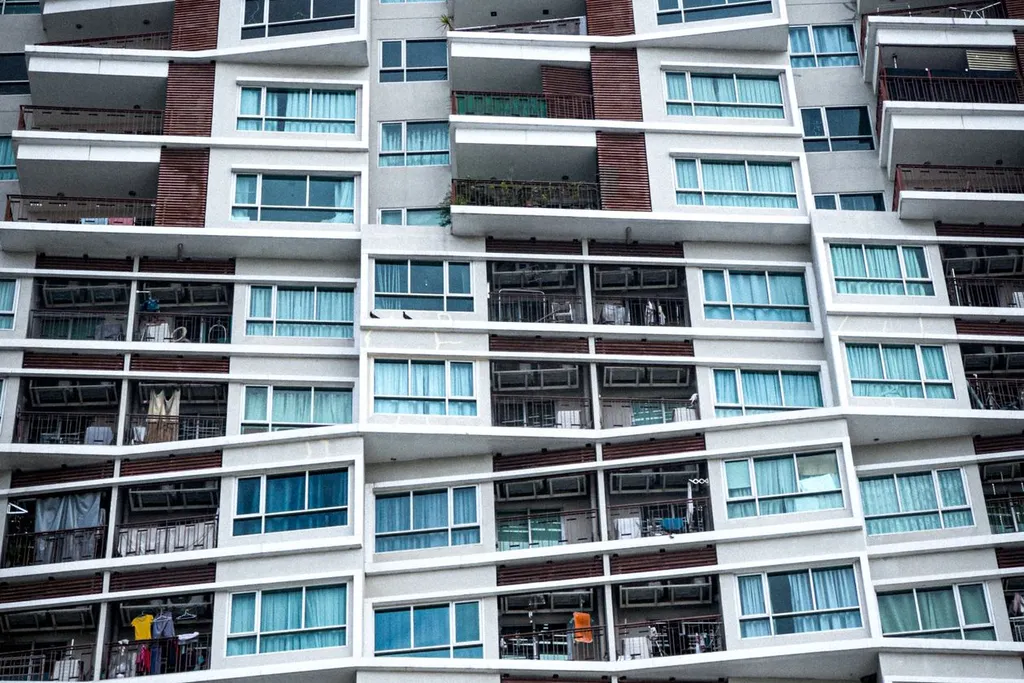
Rent is roughly a third to a half of a Bangkok budget, and it is also the line where the old blogs are most out of date. Bangkok rent is priced by distance from a train station, not by the city as a whole. The same one-bedroom can cost double depending on which stop you live near — and the cheapest Bangkok rents are in places most newcomers never look.
| Area | One-bedroom | Who it suits |
|---|---|---|
| Sukhumvit (Nana–Ekkamai) | ฿20,000–35,000 | Expat hub, finance and corporate; walk to everything, pay for it |
| Phrom Phong / Thonglor | ฿18,000–35,000 | Premium expats, Japanese and Korean communities |
| Silom / Sathorn | ฿18,000–30,000 | Embassy and finance corridor; BTS + MRT |
| Ari / Saphan Khwai | ฿14,000–22,000 | Young expats, creative sector; village feel on the BTS |
| Rama 9 / Ratchada | ฿10,000–16,000 | Chinese and Korean professionals; MRT corridor, fastest-growing market |
| On Nut / Phra Khanong | ฿10,000–18,000 | Best value on the Sukhumvit line; 20 minutes from Asok |
| Bang Na / Bearing | ฿8,000–14,000 | Budget end of the BTS; big rooms, long commute |
A serviced apartment with hotel-style amenities runs higher, and a newer luxury one-bedroom in Sukhumvit can reach ฿40,000. Short stays cost more: a one-to-three-month let typically runs 20–40% above the long-lease rate, and Airbnb's monthly rate is the most expensive way to rent the same room — the single biggest saving in this guide is renting direct instead of through Airbnb.
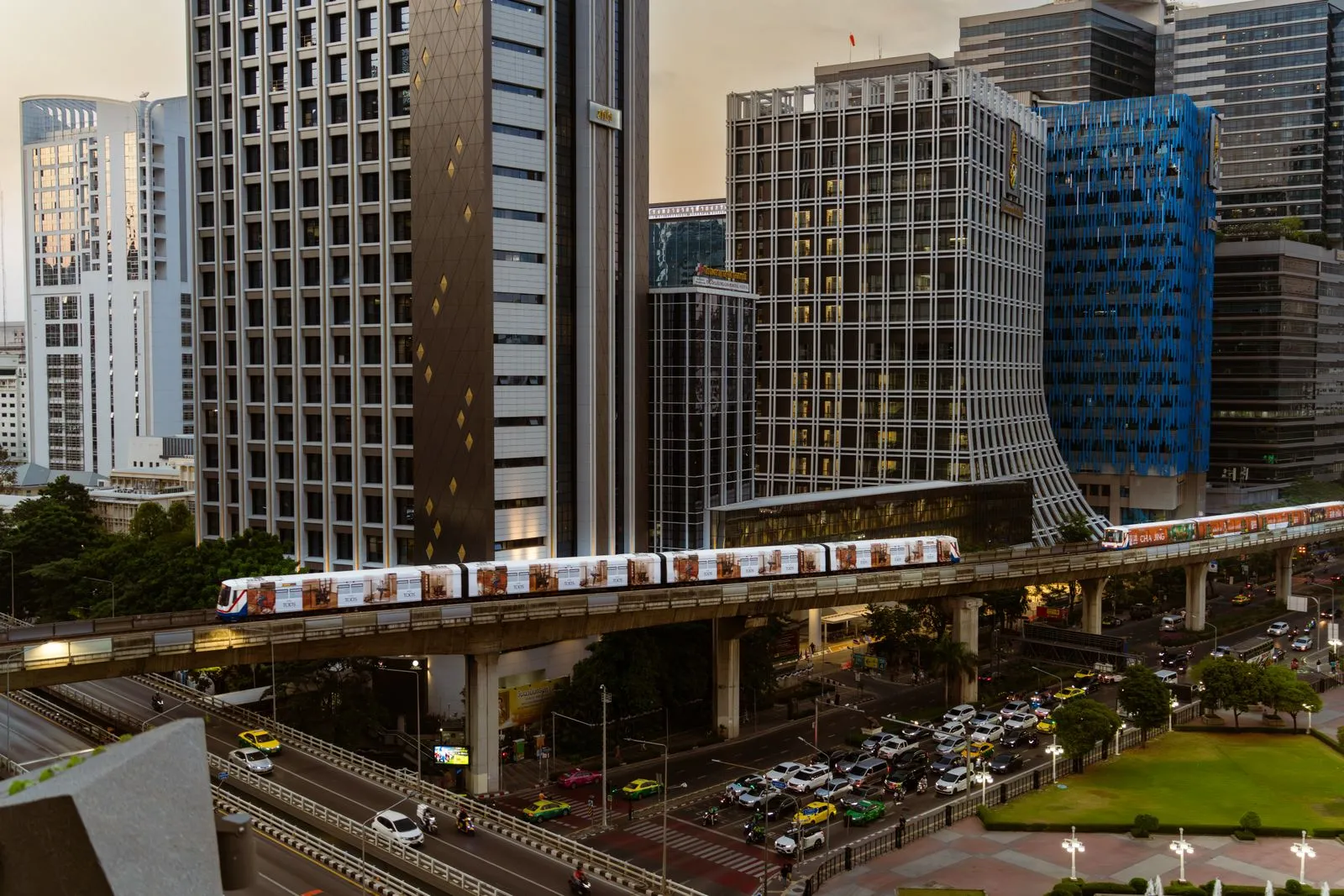
The Bangkok move most newcomers miss: live one or two stops further out. A one-bedroom near BTS Bang Chak runs ฿12,000–15,000 — still on the Sukhumvit line, still 20 minutes from Asok — against ฿25,000–40,000 two stops closer in. The train fare difference is a few baht a trip; the rent difference is ฿10,000 a month.
- Move-in costs three months' rent. The standard Bangkok lease is a two-month security deposit plus one month in advance. A ฿25,000 room needs ฿75,000 on day one.
- Flats near a station cost 15–25% more. Units within 300–500 metres of a BTS or MRT station rent for 15–25% more than comparable units further out. If you are happy walking ten minutes, you buy the same room cheaper.
- Electricity is often marked up. The official government rate is about ฿3.9–4.95 per unit, but many landlords and buildings charge ฿7–9 per unit. Ask who bills the electricity and at what rate before you sign — heavy air-conditioning at the marked-up rate adds ฿1,000–3,500 a month, and Bangkok runs the air-conditioning all year.
- Negotiate. Monthly rates commonly come down 15–25% below the advertised 30-day rate for a 6–12 month commitment. A landlord asking ฿25,000 will often accept ฿20,000–22,000 for six months.
2. Food: ฿40 a plate or ฿600 a dinner — your choice, every day

Food is the easiest line to control and the hardest to predict, because Bangkok lets you eat at two completely different price levels on the same street.
- Street food and markets: ฿40–80 a plate. A plate of noodles, rice, or pad Thai at a stall or night market runs ฿40–80 (about $1.20–2.40). Eating this way three times a day costs roughly ฿4,000–7,000 a month.
- Cooking: ฿6,000–10,000 a month in groceries. Fresh markets are cheapest; the import supermarkets (Villa Market, Gourmet Market) are the pricier end. Home cooking saves 30–50% versus eating out, but most nomads eat out because the food is the social life.
- Eating out, mixed: ฿8,000–12,000 a month. A mid-range sit-down dinner for two runs about ฿600–900 — Hikersbay's 2026 Bangkok price table puts a mid-range meal for two at ฿963 on average (range ฿600–2,000). A specialty flat white at a Sukhumvit café is ฿90–140, at the low end of the ฿100–180 specialty range in 2026 café listings. A realistic mixed month — street food most days, a café lunch, a proper dinner a few times a week — lands around ฿8,000–12,000.
- The Western premium is real. Eat Western food at Western cafés every day and the food line doubles. The budget tiers in this guide assume a Thai-heavy mix; add ฿5,000–8,000 a month if every meal is imported — and Bangkok has far more of those cafés to tempt you than any other Thai city.
3. Getting around: a train pass beats a scooter
- BTS single trip: ฿17–65 by distance (capped at ฿65 for a full cross-city run); the MRT Blue Line is ฿17–44, the Purple Line ฿14–42. A commuter doing two medium trips a day, 22 days a month, pays roughly ฿1,500–2,900 on trains, plus Grab for the last mile. The BTS one-day pass is ฿150; a Rabbit stored-value card costs ฿200 (฿100 refundable deposit, ฿100 credit) and works on the BTS only — the MRT takes contactless bank cards at the gate.
- Grab and taxis: ฿500–1,500 a month on top of the trains for most people; a Grab-heavy month runs ฿2,000–3,500. Always ask the taxi to use the meter — our taxi dialogue walks through that conversation line by line.
- Monthly transport total: ฿2,000–4,000. That is the whole line for most nomads: no scooter rental, no fuel, no parking.
Two things to know before you budget it: the ฿20 flat fare that made headlines was cancelled by cabinet resolution in June 2026, and a single common fare across all lines is targeted for January 2027, not in force yet — so price your month on the per-trip bands above, not on the headline. And the trains end around midnight; after that it is Grab or a taxi, so a late night out adds ฿150–300 to the day.
4. Where to work: Bangkok has the meeting rooms, Chiang Mai has the community
Bangkok's coworking scene is bigger, more professional, and better for meeting clients: proper meeting rooms, a serious business address, and a networking calendar that Chiang Mai cannot match.
| Space | Day pass | Monthly | Notes |
|---|---|---|---|
| The Hive Thonglor | ~฿398 | ~฿4,000–5,000 | The established brand; social hub of the Sukhumvit scene |
| JustCo | ~฿500 | ~฿5,000–5,500 | Corporate-grade; multiple Sukhumvit and Silom locations |
| WeWork | — | from ฿6,057 (12-month plan) | All Access; the priciest mainstream option |
| The Great Room | ~฿950 | ~฿8,000 | Premium end; hotel-grade meeting rooms |
| Work Loft | — | ~฿4,000 | Value tier on the Sukhumvit line |
Across the city, monthly hot-desk memberships run about ฿2,500–7,000 and day passes ฿300–750. Budget ฿3,000–5,000 a month for a good membership, or ฿0 if you work from cafés — that alone saves $75–125 a month versus a fixed membership, and it is the cheapest honest cut in this guide.
Your condo is the fallback, not the plan: fibre internet is widely available and inexpensive, usually ฿600–1,200 a month through AIS or True, with reported average fixed-line speeds around 210 Mbps — comfortable for video calls and large files. Check the actual speed in the room before you sign, not the building's brochure.
5. The rest of the month: SIM, utilities, gym, fun
| Line | Monthly range |
|---|---|
| Phone / mobile data (Thai SIM, unlimited-ish plan) | ฿400–1,100 |
| Utilities (electricity at landlord rate + water) | ฿1,500–4,000 |
| Gym membership | ฿1,500–3,500 |
| Laundry (wash-and-fold, not in-building machines) | ฿400–800 |
| Coffee, beers, and a social calendar | ฿2,000–4,000 |
| Weekend trip fund (one short escape a month) | ฿2,000–5,000 |
Bangkok runs hotter on the small lines than Chiang Mai: the gyms cost more, the social calendar costs more, and the air-conditioning runs all year, so the utilities line is the one to watch — a big room with the air-conditioning on all day at the landlord's marked-up rate is the easiest way to blow the budget without noticing. The utilities band's top end is corroborated by 2026 Bangkok guides (Bangkok Heaven: ฿2,500–4,000); the ฿1,500 low end assumes a small room billed near the official rate. None of these breaks the budget alone. Together they are the ฿8,000–17,000 that separates the “I live on $700 a month” blog post from the month you actually live.
6. The visa line: amortise it, don't forget it
The DTV is the visa most Bangkok nomads now use — a five-year multiple-entry visa, 180 days per entry, extendable once by 180 days. Priced as a monthly cost it is small but not zero: the ฿10,000 government fee plus one ฿1,900 extension spread over a year of stay works out to roughly ฿1,000 a month, before the cost of the documents themselves (certified translations, criminal record certificate, bank statements). Our full DTV guide covers the 2026 rules, the 500,000-baht seasoning requirement, and the refusal traps — read it before you budget a long stay around this visa, because a refused application costs the fee and the plan.
7. The two costs everyone forgets
Heat and air-conditioning (all year). Bangkok does not have a cool season worth the name, and the hot season is hotter than Chiang Mai's. The air-conditioning runs twelve months a year, which is why the utilities line above is higher here than in Chiang Mai — and why the electricity rate in your lease matters more than the rent headline. Budget the purifier too: Bangkok's PM2.5 spikes in the cool season, December to February — shorter and milder than Chiang Mai's smoke season, and never closing the city for weeks, but real enough that a HEPA purifier in the bedroom is a normal purchase, not a luxury.
Health insurance. A nomad policy is not optional for a long stay — a single hospital visit in a private Bangkok hospital can cost more than a month's rent. As a price anchor, SafetyWing's Nomad Essential plan runs about $56–63 per 4 weeks for ages 18–39 in 2026 (billed every 28 days, so 13 charges a year; the fuller Complete plan is about $177.50 a month) — but premiums step up steeply with age, and this is travel-medical cover, not comprehensive health insurance. Get your own quote; treat any guide that quotes one flat number as a guess. Our medical and insurance guide (in preparation) covers the private-hospital price bands and how to buy.
Bangkok's one genuine advantage on this line: if you have a serious or complex medical condition, you are in the right city. Bumrungrad International treats over 1.1 million patients a year from about 190 countries and is the only Thai hospital in Newsweek's 2026 global Top 100; Samitivej, Bangkok Hospital and MedPark add JCI-accredited tertiary care across dozens of specialties, with English-speaking doctors and direct billing to most international insurers.
8. Bangkok vs Chiang Mai: the same month, 25–30% more
| Line (one person, comfortable tier) | Chiang Mai | Bangkok |
|---|---|---|
| Modern one-bedroom rent | ฿12,000–22,000 | ฿15,000–30,000 near a BTS/MRT line |
| Food (mixed, eating out often) | ฿6,000–9,000 | ฿8,000–12,000 |
| Coworking (monthly hot-desk) | ฿2,500–6,000 | ฿3,000–7,000 |
| Transport | ฿3,000–4,000 (scooter) | ฿2,000–4,000 (BTS/MRT + Grab) |
| Comfortable monthly total | ฿36,000–50,000 | ฿45,000–70,000 |
Bangkok runs roughly 25–30% more than Chiang Mai overall, and almost all of the gap is rent. Bangkok wins on flights, hospitals, networking, and a metro system; Chiang Mai wins on price, pace, and the densest nomad community in Thailand. If the budget is the deciding factor, Chiang Mai wins by about ฿10,000–20,000 a month — unless the smoke season sends you to Bangkok anyway.
Keep reading
- Cost of Living in Chiang Mai for Digital Nomads — the Chiang Mai numbers in this comparison, line by line, with the three budget tiers. Find it in the guides hub.
- Bangkok vs Chiang Mai for Living — the full-year math, including the smoke-season correction that narrows the gap. Find it in the guides hub.
- Thailand DTV Visa Guide — the visa this budget assumes, with the 2026 document rules and the 500,000-baht proof. Find it in the guides hub.
- Thailand Arrival Checklist — the first 72 hours: TDAC, the 30-day rule, SIM, money, and your first ride. Find it in the guides hub.
- Thailand 180-Day Tax Rule in Plain Language — what happens after you have been here 180 days: Por 161/162 and the pre-2024 savings exemption. Find it in the guides hub.
Coming next in this cluster: the eSIM / SIM chooser.
Affiliate link
Get a Thailand eSIM from YesimThis is an affiliate link: we may earn a commission if you buy through it, at no extra cost to you. It does not change what we recommend.
Say it in Thai
Learn the phrases from this guide, then practise them in a full dialogue.
Practise dialogues
Phrase pages